
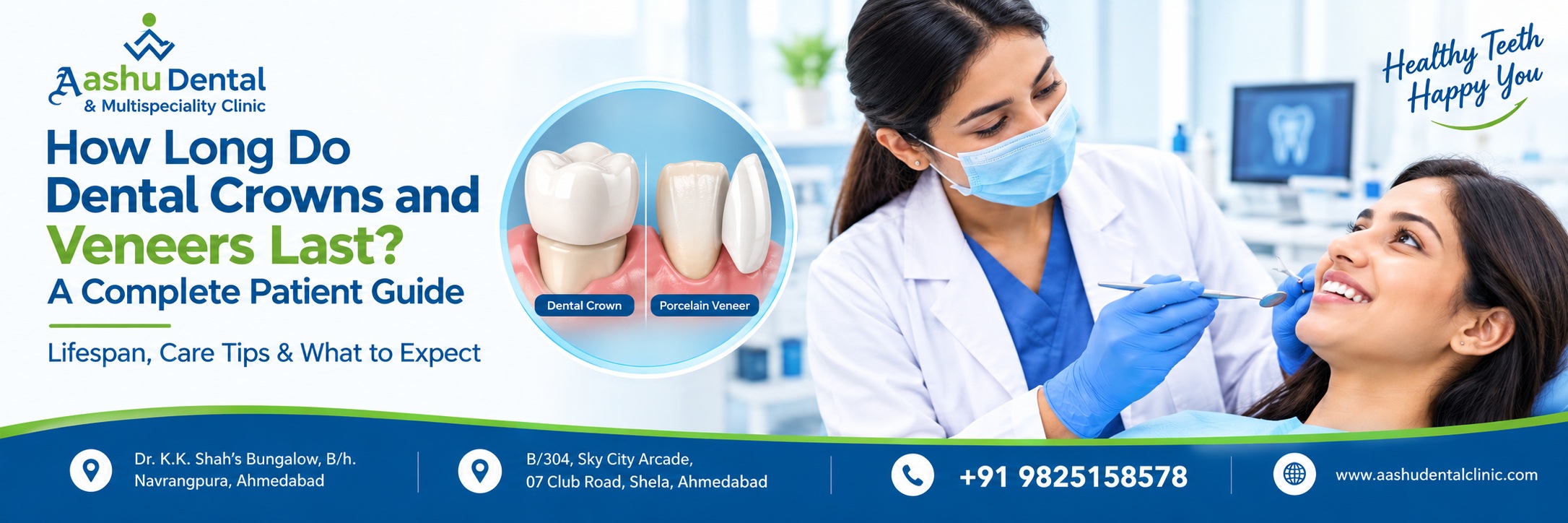
Dental crowns and veneers are popular dental treatments that help improve the appearance, strength, and function of teeth. Whether you have a damaged tooth, uneven teeth, discoloration, or want to enhance your smile, these treatments can provide long-lasting results when chosen according to your dental needs. However, one of the most common questions patients ask before starting treatment is, “How long do dental crowns and veneers last?”
The lifespan of these dental restorations depends on several factors, including the material used, oral hygiene habits, eating habits, teeth grinding, and regular dental checkups. Understanding how long dental crowns and veneers last can help you make an informed decision and take better care of your smile.
What Are Dental Crowns and Veneers?
Dental crowns and veneers are designed to restore or improve the appearance of teeth, but they serve different purposes. A dental crown is a custom-made covering that fits over most or all of the visible portion of a tooth. It is commonly recommended for teeth that are weakened, severely damaged, cracked, or restored with a large filling. Crowns can also be used after root canal treatment when additional protection is needed.
Dental veneers are thin shells that cover the front surface of teeth. They are often used to improve the appearance of stained, chipped, slightly uneven, or irregularly shaped teeth. Porcelain veneers are popular because they can closely resemble natural tooth enamel and provide an attractive smile.
Choosing between dental crowns and veneers depends on your tooth condition, cosmetic goals, and the recommendation of your dentist. Both treatments can deliver excellent results when planned and maintained properly.
How Long Do Dental Crowns Last?
Dental crowns generally last around 5 to 15 years, although some can remain functional for 15 years or longer with proper care. Their actual lifespan depends on the crown material, the condition of the supporting tooth, and the pressure placed on it during chewing.
Porcelain-fused-to-metal crowns, all-ceramic crowns, zirconia crowns, and metal crowns each have different properties. Ceramic and porcelain crowns are often selected for their natural appearance, while zirconia crowns are known for their strength and durability. Your dentist can recommend the most appropriate material based on the location of the tooth and your individual requirements.
Crowns placed on back teeth may experience greater chewing forces than those on front teeth. Patients who grind or clench their teeth may also experience faster wear, chipping, or other complications. Regular dental examinations help identify potential problems before they become more serious.
How Long Do Dental Veneers Last?
Dental veneers can last approximately 10 to 15 years or longer, depending on the material and how well they are maintained. Porcelain veneers often have a longer lifespan than composite veneers, although individual results vary.
Porcelain veneers are resistant to staining and can maintain their appearance for many years. Composite veneers may require more frequent polishing, repair, or replacement because the material can stain or wear over time. Both options have advantages, and the best choice depends on your dental condition, budget, and desired results.
Veneers are generally recommended for teeth with cosmetic concerns rather than teeth that require extensive structural protection. Since veneers cover only the front surface of the tooth, they may not be suitable for severely weakened or heavily damaged teeth. A dental assessment is important before selecting this treatment.
Factors That Affect the Lifespan of Crowns and Veneers
Several factors influence how long dental crowns and veneers remain in good condition. Understanding these factors can help you protect your investment and maintain a healthy smile.
1. Oral Hygiene Habits
Brushing twice daily with fluoride toothpaste, cleaning between your teeth, and maintaining healthy gums are essential. Although crowns and veneers themselves do not develop cavities, the natural tooth structure around or beneath them can still be affected by tooth decay and gum disease.
2. Material Quality
The material used for your dental restoration affects its durability, appearance, and resistance to wear. Porcelain, zirconia, and composite materials have different characteristics. Your dentist will help you choose an appropriate option based on your needs.
3. Teeth Grinding and Clenching
Bruxism, or grinding and clenching your teeth, can place excessive pressure on crowns and veneers. This may increase the risk of cracks, chips, or damage. If you grind your teeth during sleep, your dentist may recommend a custom night guard.
4. Eating Habits
Biting hard objects, chewing ice, opening packages with your teeth, or frequently biting hard foods can damage dental restorations. Avoiding these habits can help reduce unnecessary stress on your crowns and veneers.
5. Regular Dental Checkups
Routine dental visits allow your dentist to examine the condition of your restorations, gums, and supporting teeth. Early detection of problems can help prevent complications and may extend the useful life of your treatment.
Signs That Your Dental Crown or Veneer Needs Replacement
Dental crowns and veneers do not always need replacement simply because they have been in place for several years. Their condition and the health of the underlying teeth are more important than age alone.
However, certain warning signs should not be ignored. These include visible cracks, chips, looseness, persistent discomfort, sensitivity that is new or worsening, swollen gums, or food repeatedly getting trapped around a restoration. A crown that no longer fits properly or a veneer that has become detached should also be examined by a dentist.
Never attempt to repair or reattach a loose crown or veneer using household glue. Contact your dentist for an assessment and appropriate treatment. Prompt attention can help protect the natural tooth and reduce the risk of further damage.
How to Make Dental Crowns and Veneers Last Longer
Good daily habits can help you maintain your dental restorations for many years. Brush gently twice a day using a soft-bristled toothbrush and fluoride toothpaste. Clean between your teeth every day with dental floss or another suitable interdental cleaning aid.
Avoid using your teeth to bite fingernails, tear packaging, or open bottles. If you play contact sports, consider a properly fitted mouthguard. Patients who grind their teeth should discuss protective options with their dentist.
It is also important to maintain regular dental checkups and professional cleanings as recommended. If you experience pain, swelling, a loose restoration, or a sudden change in your bite, schedule a dental appointment rather than waiting for the problem to worsen.
Dental Crowns vs. Veneers: Which Option Lasts Longer?
When comparing dental crowns and veneers, both can provide long-lasting results, but their purposes are different. Crowns are designed to cover and protect a larger portion of a tooth, making them useful when the tooth needs additional structural support. Veneers are primarily intended to improve the appearance of the front surface of teeth.
Porcelain veneers commonly last around 10 to 15 years or longer, while dental crowns often last approximately 5 to 15 years. These ranges overlap, and neither treatment is guaranteed to last a specific number of years. The right choice depends on the condition of your teeth, your bite, the material selected, and your oral care routine.
A qualified dentist can examine your teeth and explain which treatment is more appropriate for your needs. In some cases, a crown may be the better option for protecting a weakened tooth, while veneers may be suitable for improving the appearance of otherwise healthy teeth.
Get Expert Guidance for Dental Crowns and Veneers
Dental crowns and veneers can help restore confidence in your smile while improving tooth appearance and function. With the right treatment plan, good oral hygiene, and regular dental visits, these restorations can serve you well for many years.
At Aashu Dental Clinic, patients can discuss their dental concerns, cosmetic goals, and suitable restorative treatment options with a dental professional. Whether you are considering porcelain veneers for a smile enhancement or a dental crown to protect a damaged tooth, a personalised consultation can help you understand the available choices.
If you are thinking about dental crowns or veneers, schedule a consultation to learn which option is suitable for your teeth. Taking care of your oral health today can help you maintain a healthy, confident smile for years to come.
Comments are closed